The “One More Round” Mindset in Jilibet: How It Forms, Why It Sticks, and Where the Risk Appears
One phrase tends to sound harmless in online play: “One more round, then I’ll stop.” For anyone browsing Jilibet, exploring Jili games, or testing titles linked with Super Ace Jili, that single decision can reshape an entire session. What starts as a short entertainment break can drift into extended play when the next round stays available instantly and emotions begin driving choices.

Focus often lands on the game itself, yet the stronger influence usually comes from the pattern of decision-making that happens after an initial plan to stop. Fast outcomes, streaks, near-misses, easy access, and emotional reactions can make continuation feel justified—again and again—until the original limit feels distant.
Quick Context: Jili, Super Ace, and GameZone Searches
Jili often appears in searches as a game provider recognized for fast-paced casino-style and slot-style titles, including popular releases such as Super Ace. Jili content also appears through platforms that host multiple providers, with GameZone commonly mentioned as a place where eligible users may access different titles. Availability and access can shift across time and regions, so verification through official sources remains part of safer browsing and participation.
Why “One More Round” Feels So Tempting in Jili Online Games
A repeating digital loop shapes many online play sessions:
Choice → anticipation → result → reaction → next choice
When each stage happens quickly, another decision arrives before reflection has time to catch up. That timing matters because the brain often chooses the path of least resistance—and in many online environments, continuing requires less effort than stopping.
Two common thought tracks tend to appear:
- After winning: “This is going well, one more.”
- After losing: “One more to recover.”
Different emotions can lead to the same outcome: the stopping point moves. With Jili online titles and similar formats, the next attempt often loads immediately, making continuation feel natural and interruption feel unnecessary.
The Psychology Behind the “One More Round” Habit
Immediate Results and Rapid Reinforcement
Instant outcomes can encourage repetition. When feedback appears quickly—win, loss, bonus tease, near-miss—another choice shows up right away. Over time, that rhythm can shift play from intentional decisions into a more automatic flow, where rounds stack without much conscious planning.
Problem behavior doesn’t need to appear in every player for risk to exist. Risk can increase when quick decisions repeat often enough that stopping becomes emotionally uncomfortable.
Loss-Chasing and the Goal That Quietly Changes
Loss-chasing tends to function as a hidden switch. A session that begins as entertainment can turn into recovery work after a loss. Losing ₱200, then thinking a new round can “bring it back,” can change the purpose of continued play.
Entertainment aims for experience and enjoyment; chasing aims for reversal of a past outcome. That distinction matters because a new round cannot erase a previous result, and uncertainty remains unchanged.
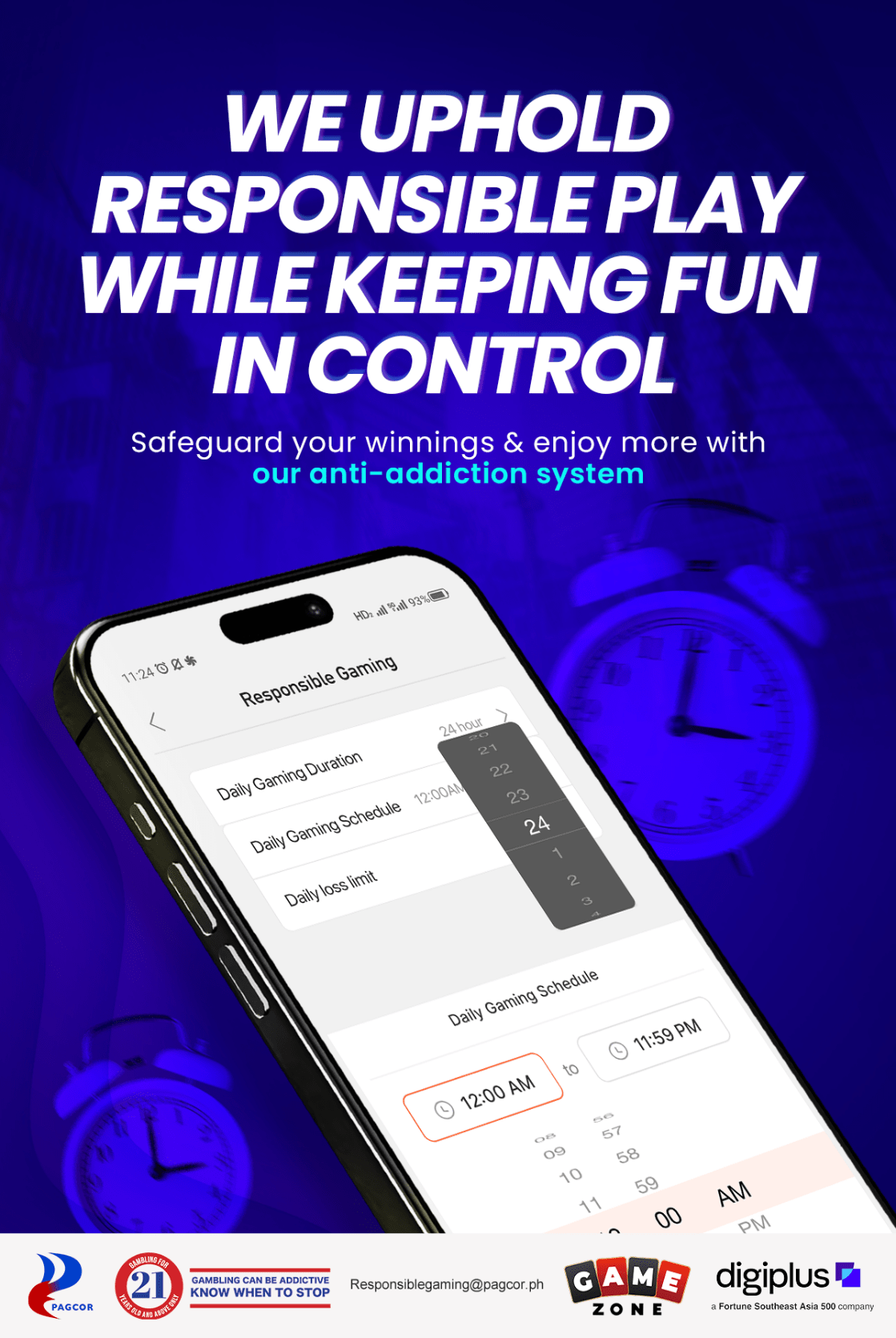
Responsible-gaming guidance associated with PAGCOR often highlights limit-setting and caution against chasing losses, especially in online formats where the next attempt arrives instantly.
Winning Streaks and Confidence Inflation
Losses don’t hold the only trigger. A run of good outcomes in a title like Jili Super Ace can create a sense of control—almost like a “method” has been discovered. That perceived edge can encourage longer sessions or larger wagers.
Streaks can feel like proof of a pattern, yet prior outcomes don’t guarantee what happens next. Confidence can rise faster than evidence, and that mismatch can lead to riskier behavior.
Near-Wins and the Emotional Gravity of “Almost”
Near-wins can feel more powerful than ordinary losses. A result that appears close to a big payout can pull attention back into the game, creating the sensation that success sits “right there.” Another round then feels like a reasonable follow-up.
Emotional closeness, though, doesn’t equal advantage. “Almost” can motivate action while offering no improvement in the odds.
Practical Ways to Break the Cycle
1) Limits Set Before the First Round
Time and budget decisions made while calm can hold up better than rules invented after a loss. A pre-set boundary can function like a commitment device.
2) Recovery Thinking Replaced With Boundary Thinking
A round used to “win back” money can intensify loss-chasing. A round used for enjoyment fits entertainment. Keeping that difference clear can reduce impulsive continuation.
3) Wins Separated From Permission to Continue
A winning streak can feel like a reason to extend a session. A fixed plan can keep wins enjoyable without turning them into justification for longer play.
4) A Physical Pause That Interrupts the Loop
Closing the app, placing the phone away, standing up, or switching environments can add friction. That friction can restore decision-making space.
5) Strategy Claims Treated With Skepticism
Searches like SuperAce Jili, Jiligame, Jilislot, or “Jili strategy” can surface promises of guaranteed results. Betting systems can change how money is paced, yet uncertainty remains. “Guaranteed profit” language can signal misinformation and increased risk.
Risk Snapshot for Jilibet-Related Play Habits
- Playing longer than planned → moderate risk → time caps and alarms can help
- Continuing immediately after losses → high risk → stopping at the preset limit can reduce escalation
- Increasing wager size emotionally → high risk → flat limits can reduce impulse spikes
- Extending sessions after wins → moderate risk → keeping original boundaries can prevent drift
- Relying on “sure win” systems → moderate risk → evaluating claims with caution can reduce false confidence
- Downloading from unofficial APK sources → high risk → verified channels can reduce security exposure
Jilibet, Jili, and GameZone: Provider vs Platform vs Download Safety
Searchers often mix terms like Jilibet, Jili games, Jilicasino, Jiliph, and Jilislot without separating categories. A provider differs from a title, and both differ from a platform that hosts games.
Caution also applies to app downloads. Unofficial sites and third-party APK repositories can add security and identity risks.
For GameZone searches (GameZone casino, GameZone download, GameZone online), references to PAGCOR’s July 16, 2026 regulatory list have noted registered domains such as gzone.ph. Because registrations and instructions can change, domain verification before registration or download can reduce exposure to fake pages.
Eligibility also appears repeatedly in responsible-gaming references: persons under 21 fall under prohibited participation in PAGCOR guidance, and GameZone terms often reflect 21+ qualified user access.
Frequently Asked Questions
Why does “one more round” happen so often in Jili online play?
Fast outcomes, strong emotional reactions, and immediate access to the next round can make continuation feel easier than stopping.
Does another Jilibet round guarantee recovery after a loss?
No guarantee appears, since each round produces an uncertain outcome and cannot reverse earlier results.
Can Jili games guarantee consistent wins through a strategy?
No guaranteed system applies to chance-based outcomes; wagering patterns can’t remove uncertainty.
How can limits feel easier to follow?
Limits chosen before starting, plus deliberate breaks and device-free pauses, can reduce impulsive continuation.
Who can play GameZone in the Philippines?
Responsible-gaming guidance cited by PAGCOR prohibits play by individuals under 21, and GameZone terms typically reflect access for qualified users aged 21 and above.


Yashasvi Jaiswal: A Rising Star in Indian Cricket
Read Article
Catering to a New Generation of Players: Comics and Online Casinos
Read Article
Continue Reading